
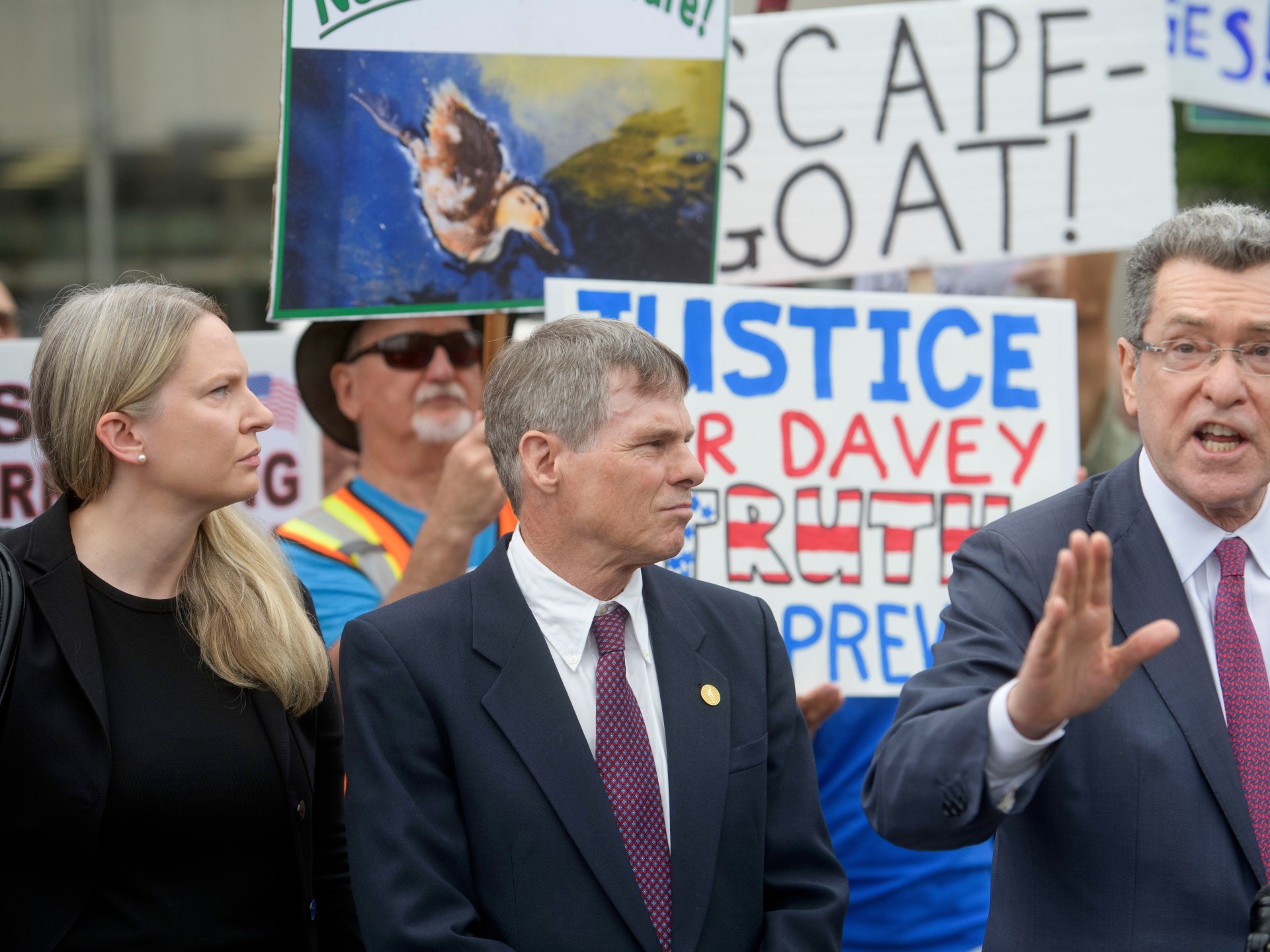
Former Olympian Denies Charges of Vandalizing Lincoln Memorial Reflecting Pool
Former US Olympian David “Davey” Hearn pleaded not guilty on July 9 in federal court to charges accusing him of vandalizing the iconic Lincoln Memorial Reflecting Pool in Washington, DC. The court appearance marks the first formal response to allegations that have drawn national attention amid a controversial renovation overseen by the Trump administration.
Prosecutors allege that on June 19, Hearn maliciously pulled and damaged a section of the Reflecting Pool’s “American flag blue” lining, installed recently as part of renovations requested by President Donald Trump. The damage has been estimated to exceed $1,000, leading to Hearn being charged with destruction of government property, a felony punishable by up to 10 years in prison.
Hearn, 67, who represented the US as a three-time Olympic canoeist, admitted to touching a part of the lining during a bike ride but contested claims that he caused any damage. His defense maintains that he did not rip, tear, peel, or remove any part of the paint or liner, presenting a conflicting account to prosecutors’ assertions.
The US Attorney for the District of Columbia, Jeanine Pirro, publicly announced the charges, characterizing Hearn’s actions as deliberate. Meanwhile, Hearn’s attorneys urged caution, suggesting that if touching the Reflecting Pool’s surface could trigger a felony charge, it could set a problematic precedent. They indicated that Hearn’s plea is not an admission of guilt but a part of ongoing legal proceedings.
The broader incident occurs amid multiple arrests related to vandalism at the Reflecting Pool, with US Park Police confirming five individuals detained in connection with such acts. President Trump has attributed the damage to vandals, though official investigations are ongoing, and the precise responsibility and motives remain officially unconfirmed.
Hearn was detained last month following the incident at the National Mall, with the next scheduled court date set for August 5. The case is closely watched as it ties into larger questions about the handling of nationally significant landmarks, the renovation project’s management, and political narrative shaping surrounding these events.
As proceedings continue, the conflicting accounts and limited official confirmation underscore the complexities in determining intent and accountability in this high-profile vandalism case involving a prominent athlete and politically charged context.